Royal Oak Selection and QC Guide
A search for SuperCloneWrist Audemars Piguet watches usually begins with the Royal Oak. The octagonal bezel and integrated bracelet are easy to recognise, but the details that decide whether a model looks balanced only become clear in straight photos and normal daily light.
This guide stays focused on Royal Oak-style models. It explains bezel and screw alignment, tapisserie-style dial texture, case finishing, bracelet fit, 39mm and 41mm proportions, factory-version questions, useful QC photos, model selection and the official confirmation path before payment.
No product page or article can promise original-brand status, permanent accuracy, water performance, customs outcomes or long-term condition. Current availability, version details, payment instructions and shipping expectations should always be confirmed through the official support page.
Browse AP Royal Oak Watches Confirm Through Official Contact
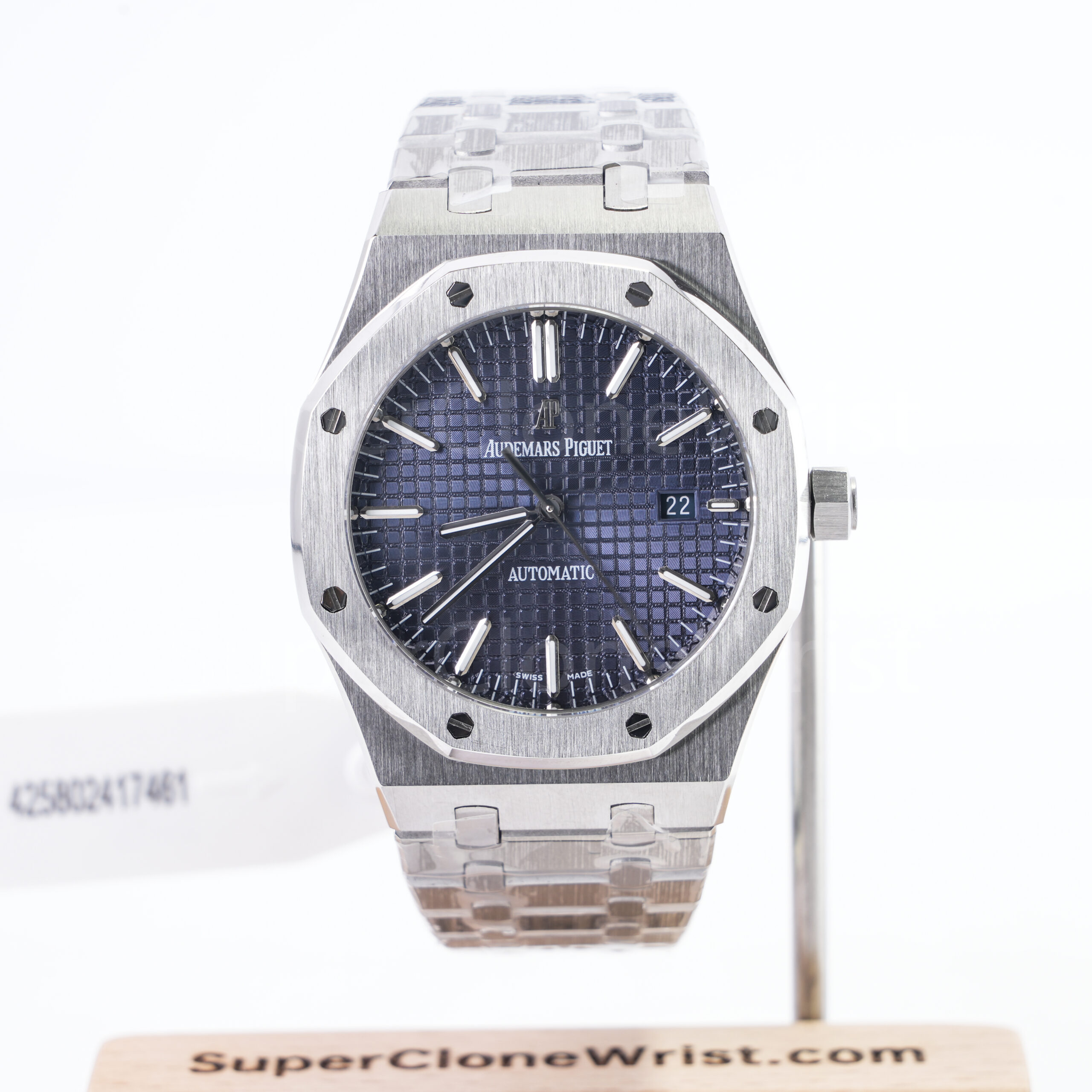
Why the Royal Oak Needs Careful Visual QC
The Royal Oak is built around visible geometry. Eight bezel sides sit beside eight screw heads, straight case edges and a bracelet that begins almost immediately below the dial. When one part looks uneven, the eye compares it with every nearby line.
That makes the design less forgiving than a round sports watch with a dark rotating bezel. A small proportion difference can remain hidden in a dramatic product photograph, then become obvious in a flat image taken under an office ceiling light.
This SuperCloneWrist Audemars Piguet watches guide treats QC as part of model selection, not as a final decoration. A straight front image helps check the bezel, screws, dial, logo, markers, hands and date window before attention moves to the case side and bracelet.
A useful QC photograph should look plain. The watch should face the camera directly, the 12 o’clock marker should point upward, and the lighting should be even enough to show the dial without a bright reflection covering half of the crystal.
The next image should show the crown side at a level angle. This view reveals case thickness, bezel height, crown position, caseback depth and the way the first bracelet link leaves the case.
Bracelet images should show the watch resting naturally rather than being pulled straight by hand. When the links fall under their own weight, stiffness near the case and clasp becomes much easier to judge.
The QC Process page explains the broader review sequence. For a Royal Oak-style watch, the most useful proof usually includes the front, both case sides, bracelet, clasp, caseback and a short function video when relevant.
The four views that answer most visible questions
Straight front
Shows bezel symmetry, screw rhythm, dial centring, marker alignment, logo position, hands and date placement.
Case side
Shows bezel height, case thickness, crown fit, caseback depth and the first bracelet-link angle.
Bracelet and clasp
Shows link articulation, brushing direction, taper, clasp alignment and visible finishing.
Short video
Shows hand movement, date operation, clasp action and chronograph start or reset when applicable.
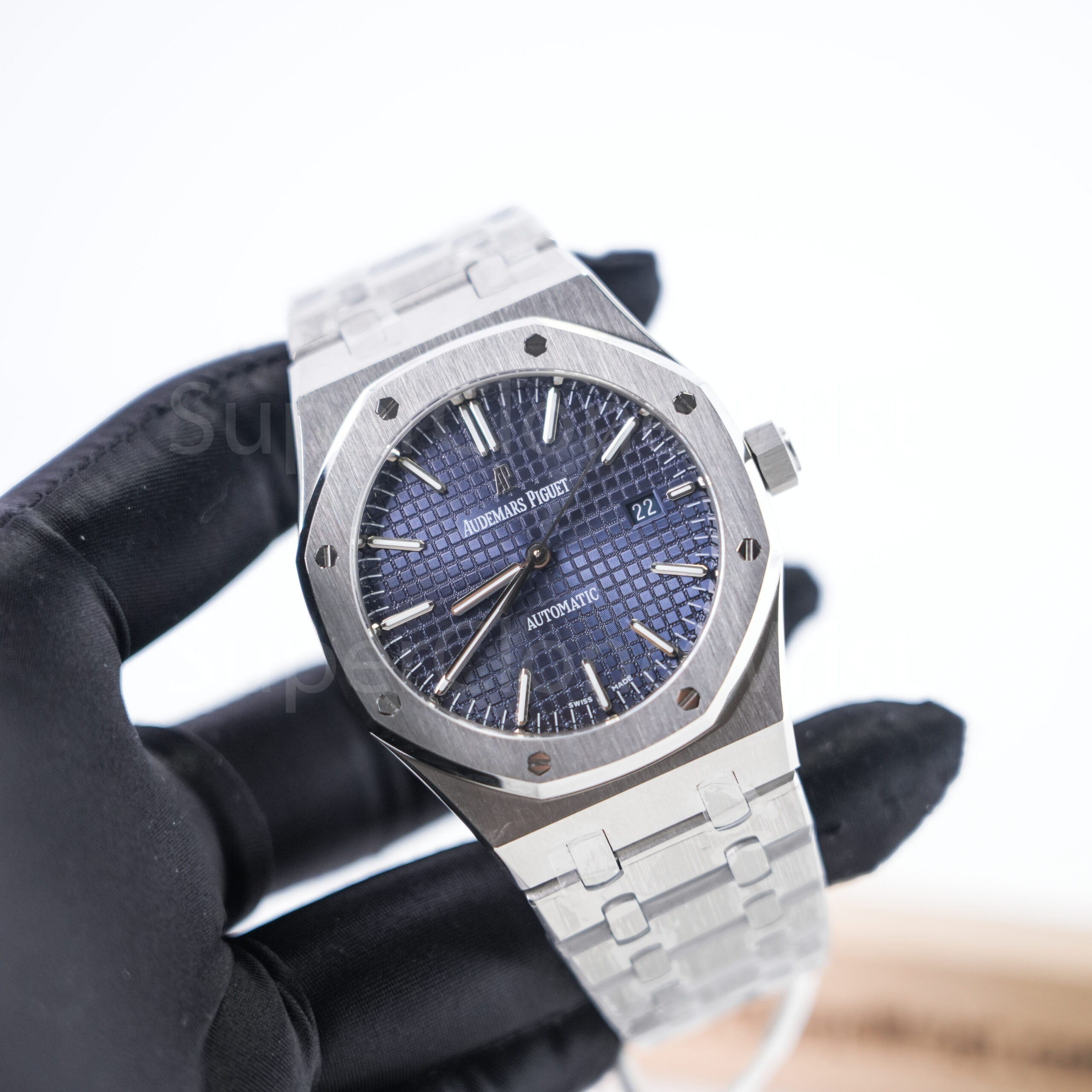
Octagonal Bezel, Screws and Tapisserie Dial
The octagonal bezel carries the Royal Oak identity before the dial becomes readable. From across a room, the outline creates the first impression. At close range, even brushing, polished bevels and consistent spacing decide whether that outline still feels precise.
A straight photograph should show similar visual weight on all eight sides. The upper edge should not appear heavier than the lower edge, while the left and right shoulders should remain balanced around the case and crown.
The screw heads create a second pattern around the dial. One obvious difference can draw attention every time the wrist turns under a bright light. The useful check is not extreme magnification; it is whether one screw becomes the first thing noticed at normal image size.
Camera angle can create false concerns. A phone held slightly to one side may make one bezel edge look wider. For that reason, a suspected issue should remain visible in both a straight photograph and a second image taken from a mild angle.
How to read a tapisserie-style dial
The tapisserie-style dial contains a repeated square pattern. That texture should remain visible from the centre toward the outer minute track without becoming muddy, stretched or inconsistent around the markers.
Blue dials change strongly with light. Near a window in the late afternoon, the surface may look brighter and more layered. Under cool indoor lighting, the same dial can move toward navy or charcoal. Colour movement is expected, but the pattern should not disappear completely in every clear image.
Grande Tapisserie creates a broader grid and works naturally with the modern 41mm case. Petite Tapisserie feels tighter and more restrained, which suits the thinner visual character of a 39mm Royal Oak-style model.
Marker alignment matters because the dial has little visual clutter to hide a mistake. The 12 o’clock pair should sit evenly around the vertical line. The markers at 6 and 9 o’clock should follow the dial geometry rather than leaning toward the centre.
Logo and date placement need the same calm review. A wordmark sitting noticeably high or low can change the balance of the upper dial. A date numeral pressed close to one side of the window may remain distracting during ordinary time checks.
Brushed surfaces should meet polished edges cleanly
Royal Oak finishing depends on contrast. Broad bezel and bracelet surfaces appear brushed, while narrow bevels catch the light. The transition should look deliberate enough to follow from the case into the bracelet.
Over-rounded edges weaken the case architecture. Rough brushing creates another problem, especially when visible grain changes direction across neighbouring surfaces without a clear design reason.
Soft daylight is useful for checking the brushing. Controlled indoor light is better for checking polished bevels. Together, the two views reveal whether the surfaces look sharp without relying on aggressive reflections.
A practical rule for visible details
A concern that remains obvious in two clear angles deserves another question. A concern visible only at extreme zoom may have little effect during normal wear. The aim is not to find microscopic perfection; it is to avoid the details that repeatedly draw attention.
Three Royal Oak Models Worth Comparing
The Audemars Piguet Super Clone Watches collection is the natural place to narrow the choice. Keeping the comparison inside one design family makes size, dial layout, bracelet shape and material easier to judge.
For SuperCloneWrist Audemars Piguet watches, three models cover the most useful directions: a clean 41mm steel daily option, a busier chronograph and a slimmer 39mm warm-metal style. Each one serves a different routine rather than competing for the same role.
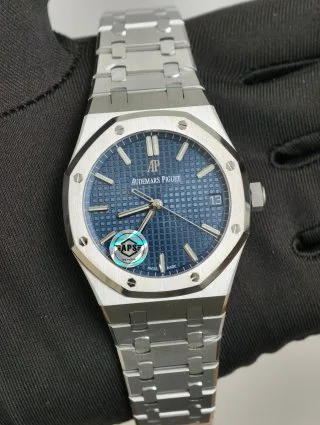
Daily Steel Option
Royal Oak 15500ST Blue Dial 41mm
The 15500ST keeps the Royal Oak design easy to read. Its steel construction, blue Grande Tapisserie-style dial and simple date layout create clear wrist presence without the extra weight of several subdials.
This direction works with office clothing, knitwear, denim and dress-casual evenings. It also keeps the QC process direct because the dial, bezel and bracelet remain visually open.
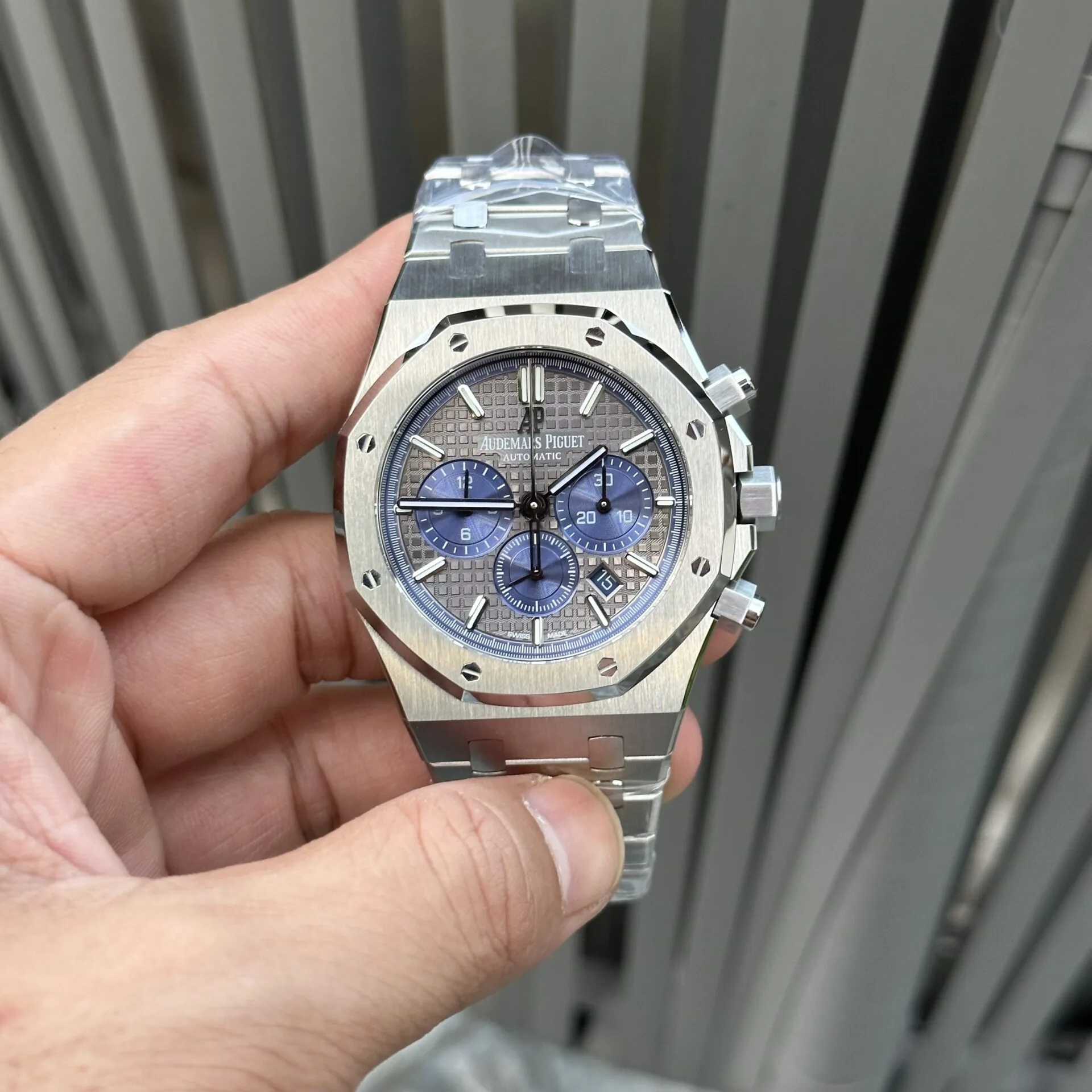
Chronograph Presence
Royal Oak Chronograph 26331 Grey and Blue Dial
Grey and blue subdials create a more technical face. Pushers add visual width, while the chronograph registers introduce more alignment points and more visible function checks.
This model fits weekend wear, travel days and casual jackets. A clear video should show the chronograph starting, stopping and returning to its expected reset positions.
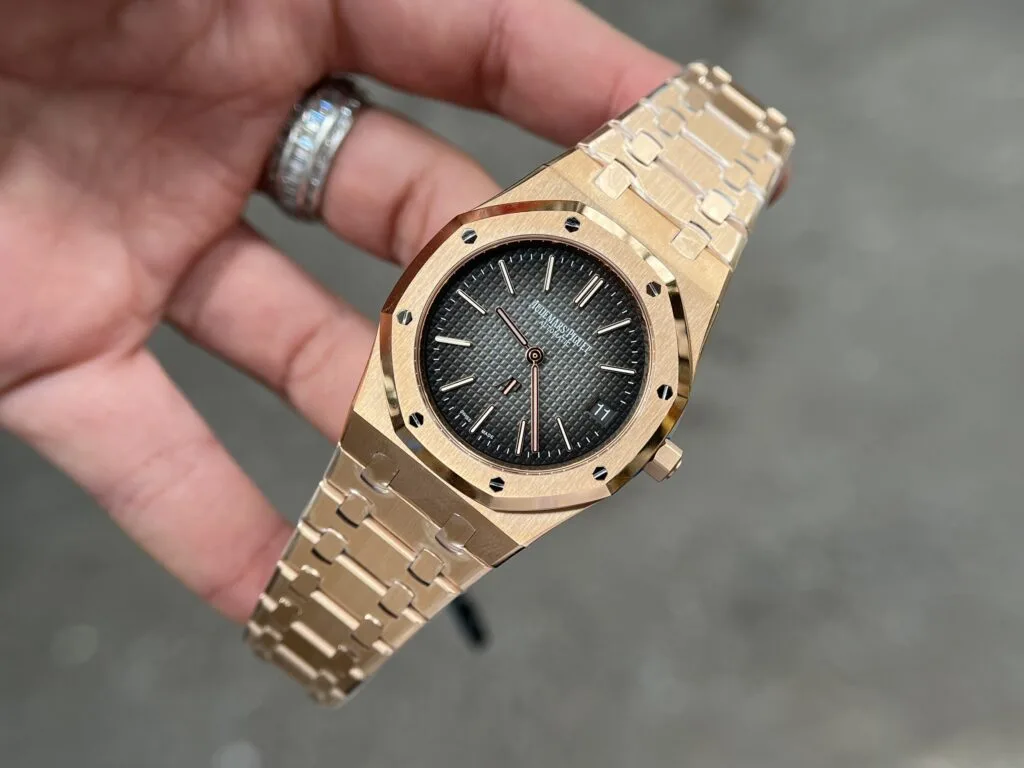
Slimmer 39mm Direction
Royal Oak 15202OR Black Dial 39mm
The 39mm case feels more restrained than the modern 41mm options. A black Petite Tapisserie-style dial keeps the centre calm, while the warm bracelet finish adds enough colour on its own.
This direction suits smaller or flatter wrists, shirt cuffs and dress-casual outfits. Black, cream, charcoal and brown keep the warm-metal finish balanced.
Which model creates the cleanest starting point?
A steel time-and-date model is the most flexible first direction. It shows the Royal Oak design clearly, works across more clothing and avoids the extra function checks required by a chronograph.
The 26331 makes sense when subdials and stronger wrist presence are part of the appeal. It is not simply a busier version of the steel model; the pushers, dial layout and thickness change the entire wearing impression.
The 15202OR belongs in a quieter lane. Its smaller case and dark dial keep the shape controlled, while the warm finish adds a dressier character that works best without several other bright accessories.
Integrated Bracelet Fit, Case Size and Materials
The Royal Oak bracelet continues the case rather than sitting behind traditional lugs. Its first links remain wide near the bezel, so the effective wrist presence can feel larger than the printed case diameter suggests.
A 41mm Royal Oak-style watch may look broader than a round 41mm watch on leather. Traditional lugs can curve down early. An integrated bracelet often carries its width across several links before the taper becomes obvious.
For SuperCloneWrist Audemars Piguet watches, the first three links deserve close attention. They decide whether the watch wraps around the wrist or appears to sit across it.
A top-down wrist photograph should be taken from a normal viewing distance rather than a few centimetres above the crystal. Close phone images exaggerate case size, while a mirror view usually shows the overall proportion more honestly.
39mm and 41mm do not differ by only two millimetres
A 39mm case generally feels tighter and more deliberate. The dial sits closer to the bezel edge, and the bracelet has less horizontal distance before it begins wrapping around the wrist.
The 41mm case creates a broader modern outline. It gives a Grande Tapisserie-style dial more room and makes the brushed case and bracelet surfaces easier to notice.
Wrist shape matters as much as circumference. A flatter wrist may support a 41mm integrated bracelet comfortably, while a rounder wrist with the same measurement may show more first-link overhang.
Sleeve fit also changes the decision. A slimmer 39mm time-and-date model usually slides under a structured cuff more easily. A 41mm chronograph often works better when the sleeve is wider or the watch is intended to remain visible.
Bracelet and clasp checks that matter in daily use
A bracelet photograph should show the links resting naturally. A bracelet pulled straight can hide stiffness near the case and make every link look more flexible than it is.
Brushing should follow a consistent direction across neighbouring links. Narrow polished edges should create clean highlights without looking rounded or wavy.
A useful clasp video only needs a few seconds. The clasp opens, closes and receives a gentle pull. This reveals whether both sides meet evenly and whether the bracelet remains centred after closure.
The clasp touches desks, cuffs and the underside of the wrist throughout the day. Neat edges and controlled operation usually matter more after several hours of wear than during a quick unboxing.
Steel is the most flexible material direction
Steel shows the Royal Oak finishing language clearly. Brushed surfaces and polished bevels sit beside each other, creating contrast whenever the wrist moves under a window or ceiling light.
It also fits the widest wardrobe. Navy, grey, black, white, olive, brown and denim all work naturally beside a steel bracelet. This makes steel the strongest direction for frequent rotation.
The same flexibility exposes finishing problems. Uneven brushing, weak bevels and rough link edges remain visible because steel gives those details nowhere to hide.
Warm-metal finishing changes the styling balance
A rose-gold-tone finish brings immediate colour and presence. On a 39mm case, the smaller outline can keep that warmth controlled rather than overwhelming.
Simple clothing works best: a black dial, cream knitwear, dark trousers, a white shirt or a clean black jacket. The bracelet already supplies enough shine and colour.
Current photographs should show colour consistency across the bezel, case, first links and clasp under the same light source. Different angles naturally change reflections, so one even-light image is useful before comparing shade differences.
| Direction | Visual Character | Useful Setting | Main Check |
| 39mm warm-metal | Slimmer, dressier and more restrained. | Shirt cuffs, evening wear and smaller wrists. | Case thinness, colour consistency and bracelet drop. |
| 41mm steel | Modern, broad and easy to style. | Office rotation, denim, knitwear and travel. | Bezel balance, brushing and first-link spread. |
| 41mm chronograph | Technical, busier and visually heavier. | Weekend rotation and stronger wrist presence. | Subdials, reset position, pushers and thickness. |
Factory-Version Questions and the Royal Oak QC Checklist
Factory discussion is most useful after the model, size, dial and material have already been narrowed down. A factory name cannot decide whether a 39mm warm-metal watch or a 41mm steel chronograph fits the intended routine.
Different versions may place emphasis on different areas. One may show stronger case finishing, while another may present a more convincing dial texture, case profile, bracelet, clasp or visible movement layout.
Current stock matters as well. An older review may show a previous batch, different lighting or a different bracelet. The exact watch prepared later remains more relevant than a gallery image saved several months earlier.
The Factory Version Guide works best as a question framework rather than a permanent ranking. It connects the version name to the model, movement option, case, dial, bracelet and available proof.
For SuperCloneWrist Audemars Piguet watches, a factory name should never replace visual evidence. A well-known version can still produce an individual piece that deserves another image before approval.
Useful questions before an order moves forward
- Which factory version is currently available for the exact product page?
- Does the available version use the case size, dial and bracelet shown on that page?
- Which movement option is inside the available watch?
- Can the exact bezel, dial, side profile, bracelet, clasp and caseback be photographed?
- Is short video proof available for hand movement, clasp action or chronograph reset?
- Which version-specific limits should be understood before payment?
Eight purposeful QC images
A long message thread is not automatically a better review. Eight clear images can answer most visible questions when each angle has a defined purpose.
1. Straight front
Check bezel symmetry, screws, dial centring, logo, markers, hands and date placement.
2. Front in softer light
Check dial texture, shade change, printing and reflections around the crystal.
3. Crown side
Check crown fit, bezel height, case thickness and first-link angle.
4. Opposite case side
Check brushing, case profile, caseback depth and bezel seating.
5. Natural bracelet drop
Check first-link movement, articulation, taper and brushing consistency.
6. Clasp open
Check inside finishing, hinges, edges, closure parts and visible marks.
7. Clasp closed
Check alignment, centre position, bracelet continuity and closure.
8. Caseback
Check visible movement layout, rotor, screws, engraving and caseback fit.
What a short function video can and cannot show
A time-and-date model may only need hand movement, date operation, a dial tilt and clasp action. A short, steady recording is more useful than a fast wrist roll with strong reflections.
A chronograph needs a clearer sequence. The central hand starts, stops and returns. The subdial hands should move according to the function, while the reset positions remain visible from a straight angle.
Video proof shows visible behaviour during the recording. It cannot guarantee future accuracy, mechanical life, water performance or long-term reliability.
Dust, reflections and fixed alignment problems
Dust on the outside of the crystal can move between images. A reflection changes when the camera moves. A fixed marker, logo or date-window issue remains in the same place.
When a concern appears, one extra photograph often answers the question. The crystal can be cleaned, the watch moved slightly and the same area photographed under softer light.
Good QC separates visible facts from camera effects. It does not require finding a reason to reject every image, and it should not ask a product photograph to prove more than it can.
Which Royal Oak Style Fits Each Routine?
A model becomes easier to choose when it is placed inside a normal week. Product photographs remove the desk, shirt cuff, jacket, car door, restaurant light and weekend clothing that decide whether a watch receives regular wear.
Frequent office rotation
A steel time-and-date model is the cleanest fit. The blue dial brings enough interest beside a laptop, yet the layout remains calm during meetings and ordinary weekday use.
A white shirt, navy overshirt, grey knit or dark trousers gives the bracelet a simple frame. The case already has strong geometry, so additional wrist accessories add little.
Smaller wrist and structured shirt cuffs
The 39mm direction becomes useful when a 41mm bracelet reaches too close to the wrist edge. Its slimmer outline also has a better chance of moving under a tighter cuff without catching throughout the day.
A warm finish pairs naturally with black, cream, charcoal and brown. Keeping the rest of the outfit quiet prevents the watch from competing with several other bright details.
Weekend dinners and stronger presence
The chronograph fills more visual space. Grey and blue subdials add depth, while the pushers create a more technical case shape.
This direction works beside a casual jacket, black tee, dark denim or travel clothing. It makes sense when the watch is intended to carry more of the outfit.
Simple dial or chronograph?
A simple dial is easier to read and easier to inspect. It suits frequent wear because the eye reaches the hands and date without moving across several registers.
A chronograph rewards closer viewing. The additional depth is part of the appeal, but subdial alignment, small hands, pusher action and reset position all become part of the QC process.
The simple model is the stronger daily tool. The chronograph is the stronger choice when a technical dial and more noticeable wrist presence are the reason for choosing the watch.
Common mistakes that weaken the final choice
Choosing the dial before choosing the case is the first mistake. A preferred blue shade matters less when the integrated bracelet feels too wide after two hours.
Treating every 41mm watch as the same size creates another problem. Bracelet spread, case thickness and first-link angle can change the wearing feel more than the diameter number.
Starting with a factory label before settling the reference also makes the conversation less useful. The model, size, dial and material should create the shortlist before version differences are discussed.
Relying on one polished gallery image is the final common mistake. Gallery images explain design; current QC photos connect that design to the exact watch prepared later.
A Clear Royal Oak Order Path
A useful order inquiry should feel controlled. It should not depend on a copied payment screenshot, a random contact account or one attractive product image.
The process begins with one preferred model and one backup. The product links should be saved together with the case size, dial, bracelet and factory-version question.
The next step is confirming current availability and version details. After that, the QC request can be matched to the watch: simple front and bracelet checks for a time-and-date model, or additional subdial and reset proof for a chronograph.
For SuperCloneWrist Audemars Piguet watches, one complete message is usually more useful than several short messages. It can include the product link, reference, case size, destination country, version question and the exact QC details that need confirmation.
Current price, payment instructions, QC timing, packaging and shipping expectations belong inside the Official Contact thread. Old screenshots and unofficial social accounts should not be treated as current instructions.
The wider Shop remains helpful before the preferred collection is settled. Once the Royal Oak direction is clear, the AP collection creates a faster and more relevant shortlist.
No responsible article can promise waterproof performance, customs clearance, permanent accuracy or long-term mechanical condition. Visible proof helps with the current decision, while the limitations should remain understood before payment.
Choose the reference
Save one preferred product page and one backup. Record the size, dial, material and bracelet before asking about versions.
Review purposeful QC
Request the front, case side, bracelet, clasp and caseback views that answer visible questions for that exact model.
Confirm through one channel
Keep the product, version, QC, payment and shipping discussion inside the official support route.
Royal Oak FAQ
Which Royal Oak detail should be checked first?
Start with the straight front view. It shows bezel symmetry, screw rhythm, dial centring, marker alignment, logo placement, hand position and date-window balance in one image.
Is 39mm or 41mm the better Royal Oak size?
A 39mm case usually feels slimmer and more restrained. A 41mm case creates stronger modern presence. Wrist shape, first-link spread, case thickness, sleeve fit and intended routine matter more than diameter alone.
Which Royal Oak style works best for frequent daily wear?
A steel time-and-date model is the most flexible direction. The dial remains clear, the bracelet works with many outfits, and the QC process is simpler than a chronograph or more complex display.
What should be checked on a Royal Oak chronograph?
Review subdial spacing, small-hand alignment, date position, pusher fit, case thickness and bracelet balance. A short video should show the chronograph starting, stopping and returning to its expected reset positions.
Does a factory name guarantee the strongest Royal Oak version?
No. A factory name can organise the comparison, but the exact model and current watch still need visible review. Case shape, dial texture, bracelet articulation, clasp, movement option and current stock can vary.
Can QC photos guarantee long-term performance?
No. QC photos show visible condition and alignment at a particular moment. They cannot promise future accuracy, mechanical life, water performance, customs outcomes or permanent condition.
Can water resistance be assumed from a product specification?
No. A listed depth or style description should not be treated as permission for swimming, showering or repeated water exposure. Any testing process and its limitations need direct confirmation before use.
Where should current version, price, QC timing and payment details be confirmed?
Those details should be confirmed through the official contact page before payment. Product availability, factory versions, payment instructions, QC timing and shipping routes can change.
Choose the Royal Oak Shape First, Then Confirm the Exact Watch
The strongest SuperCloneWrist Audemars Piguet watches decision begins with visible details and a real wearing routine. Case size, bezel balance, tapisserie-style dial texture, bracelet drop, clasp feel, material and current QC evidence matter more than a rushed factory label.
A steel time-and-date model remains the most flexible starting point. A 39mm warm-metal direction suits a slimmer profile, while a chronograph adds stronger technical presence and additional QC points.
- Save one preferred Royal Oak product page and one backup model.
- Request clear photos of the bezel, dial, side profile, bracelet, clasp and caseback.
- Confirm current version, price, QC timing, payment instructions and shipping expectations through official support.
Contact Official Support
Browse AP Royal Oak Watches
Back to Top