Searches for superclonewrist qc photos usually happen at the quiet moment before shipping approval. A watch style has been chosen, the version has been discussed, and the actual prepared piece now needs a clear look. At SuperCloneWrist, the photo review works best when it slows the process down for a few careful minutes.
However, QC photos should stay practical. They can show dial alignment, date position, bezel centering, case shape, bracelet fit and clasp finishing. They cannot promise long-term performance, customs results, water resistance or anything that a photo cannot prove.
Why QC Photos Matter at SuperCloneWrist
In real use, superclonewrist qc photos do one practical job. They create a pause before shipping, when the actual prepared watch can be checked under clear light. That pause helps avoid approval based only on a polished product listing.
Also, watch details are small. A date number sitting too high, a bezel pip leaning slightly left, or a bracelet end link with a visible gap may not stand out in a category image. However, those details can become obvious after three days of normal wear.
Therefore, the photo set should be treated like a short inspection. It is not a gallery. It is closer to a 10-minute desk check: straight front view, side case view, bracelet view, clasp view and function video when movement behavior matters.
Meanwhile, a clear review keeps questions simple. Instead of asking whether the whole watch is “good,” the question can focus on one visible point. For example, “Please confirm the date window in photo 3” is easier to answer than a vague concern about the full watch.
Still, QC photos have limits. They show visible finishing at the time of the photo session. They do not prove future accuracy, water exposure safety, customs outcomes or long-term wear. Because of that, final details should be confirmed through the Official Contact page before any final step.
For general online order-record habits, the FTC online shopping guidance is a useful outside reference. In the watch review itself, the most useful record is still the prepared piece shown in the QC photos.
What a Complete QC Photo Set Should Show
A complete superclonewrist qc photos set should show more than one attractive front angle. At minimum, a useful set should cover the dial, bezel, case side, crown side, bracelet, clasp and caseback or movement-related view when that detail is part of the model conversation.
First, the straight front photo matters most. A watch tilted by 15 degrees can make markers look strange even when they are acceptable. Therefore, the front image should be checked before any close zoom into tiny reflections.
Next, the side photo shows profile and case thickness. A watch can look clean from above and still feel heavy from the side. In a normal workday, the case side appears every time a sleeve moves back, so that angle deserves attention.
Also, the bracelet photo should show how the links sit together. Look at end-link fit, first-link drop, link spacing, brushing direction, polished center links when present and clasp closure. A bracelet often decides whether a watch feels easy after eight hours.
For a cleaner workflow, the QC Process page should be used as the main support page. It keeps the review focused on visible details before shipping rather than scattered guesses from old messages.
Dial, Hands and Date Window Checks
The dial should be checked first because it is the part seen most often. At 8:30 in the morning, while reaching for keys or checking time before a meeting, the eye goes straight to the dial. Therefore, dial balance matters more than a tiny caseback mark.
Start with the 12 o’clock area. The top marker should sit straight, and the logo area should feel centered under it. If that zone looks crooked, the whole dial can feel unsettled, even when every other detail is neat.
Then move to the minute track. The printed ticks should look even around the outer edge, especially near 3, 6, 9 and 12. However, curved crystal can distort the edge in one photo, so a second straight image may be more useful than a fast rejection.
In a dial review, superclonewrist qc photos should make the surface feel calm. A sunburst dial may shift from grey to silver under bright light. A purple, blue or black dial may look warmer in an indoor photo. That is normal, but uneven patches or trapped dust should be checked carefully.
Hands need the same steady look. The hour, minute and seconds hands should sit cleanly at the center. Also, the hand edges should not look bent, scratched, stained or oddly short compared with the dial markers.
For chronograph-style layouts, sub-dials add another layer. The small hands should sit naturally, and the central chronograph hand should return cleanly when a reset video is available. A still photo can show position, but motion needs Video Proof.
The date window often creates the most doubt. The number should sit centered inside the window, not squeezed against the top, bottom, left or right side. A date that looks slightly high in one photo may be camera angle. A date that stays high across two clear photos deserves a direct question.
Also, one date number does not tell the full story. A single “8” can look fine while “23” or “31” reveals uneven positioning. Therefore, if date alignment is important for that model, one extra date image is a reasonable request.
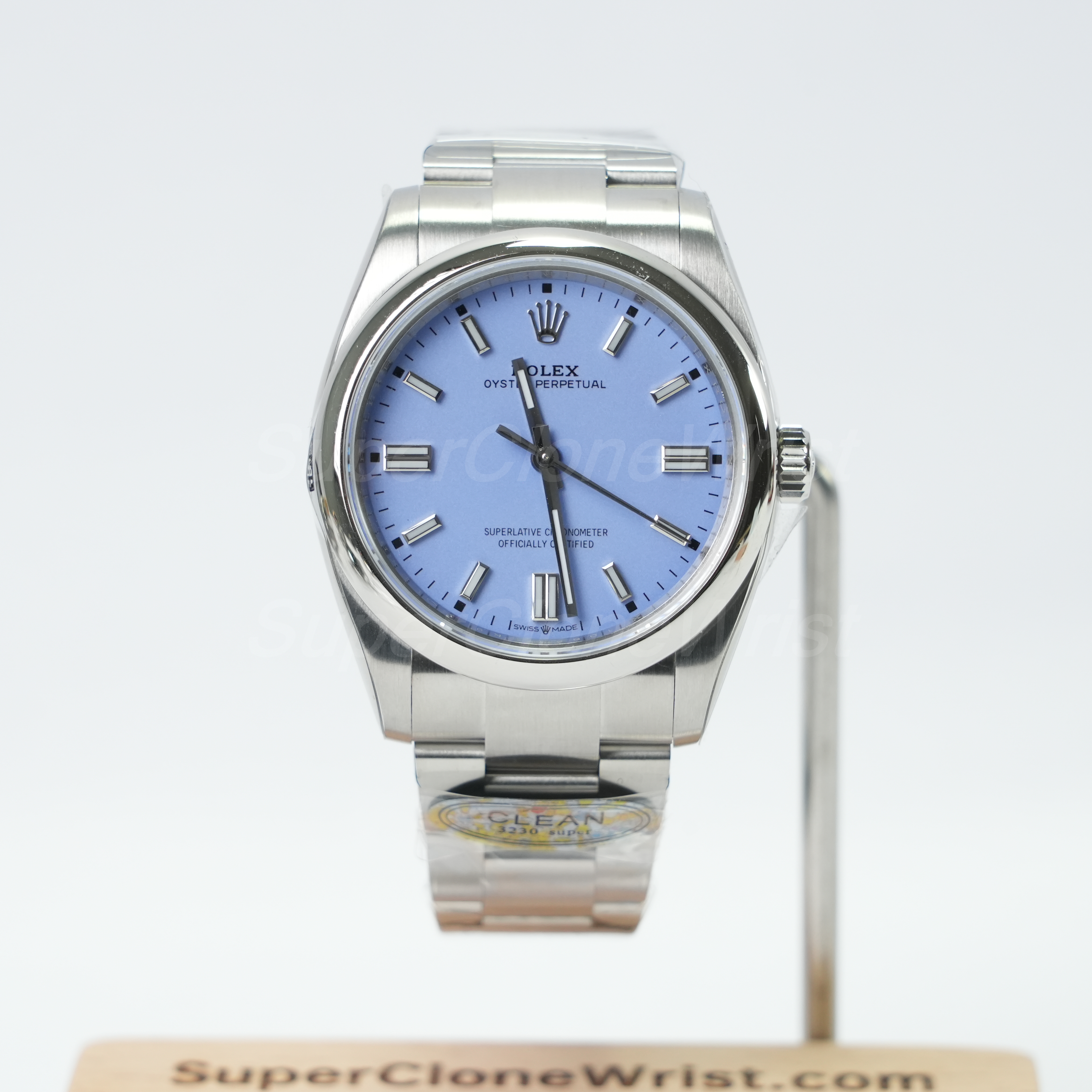
Bezel, Case and Bracelet Checks
After the dial, the bezel deserves a straight look. A bezel frames the watch, so a small alignment problem can make the whole front view feel off. Therefore, the 12 o’clock pip, triangle or top marker should be checked before the rest of the bezel.
On sport-style watches, the bezel should sit evenly and the printed scale should look consistent. A slightly angled photo can create false tension, so a straight image is important before judging the bezel position.
On travel-style watches, the color split and 24-hour numerals need attention. A colored insert should have a clean transition line. Also, the numbers around the bezel should look consistent at normal zoom, not only at extreme zoom.
The case should be checked from the side, not only from above. Case thickness, crystal height, crown seating and lug shape all show better in profile. In a small mirror or office window reflection, those side proportions are what make a watch feel balanced or bulky.
Bracelet review takes patience. End links should meet the case cleanly, and the first link should not fall at an awkward angle. Meanwhile, brushing and polishing should follow the design, especially on bracelets with polished center links or sharp case transitions.
The clasp matters more than it seems. It gets touched several times a day, and it sits against the wrist for hours. Therefore, clasp engraving, folding line, safety lock and closing position should be clear in the photo set.
Factory version also affects what details should be checked. Some versions focus more on case shape. Others are chosen for movement layout, bracelet feel or dial printing. The Factory Version Guide helps connect the version discussion with visible QC checks.
Because of that, bezel, case and bracelet should be reviewed together. A nice dial cannot fully save a weak bracelet fit. A sharp bracelet cannot hide a bezel that sits visibly off-center in a straight front photo.
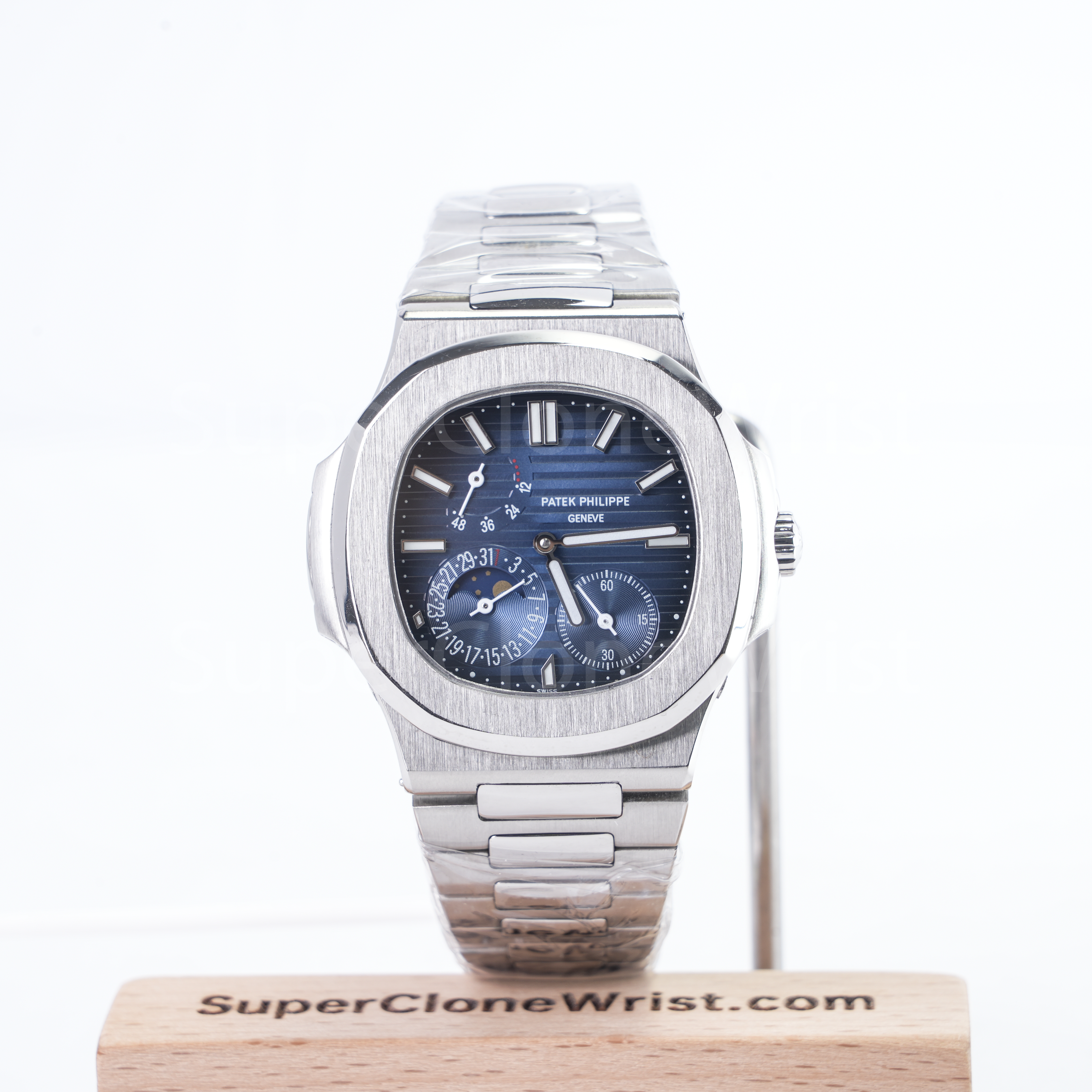
A Natural Product Path Before Approval
The best product path is not complicated. First, the model style should fit real use. Then the factory version should be understood. After that, the QC photo set should confirm the prepared piece before shipping.
For daily office use, a steel bracelet watch with a clean black, blue, silver or colored dial is the easiest choice. It works with a shirt at 9 a.m., a jacket at dinner, and casual clothes on Sunday. Therefore, the QC focus should be dial balance, bracelet comfort and clasp finishing.
For travel, a sport or GMT-style watch makes more sense. The extra hand, stronger bezel or bolder case brings a clearer visual signal, especially with a navy jacket or grey hoodie. However, the review should check the hand layout, date position, bezel numerals and bracelet fit.
For a sportier weekend look, a rubber strap watch can feel more relaxed. It pairs well with sneakers, polo shirts and darker outerwear. Meanwhile, the QC stage should include strap fit, bezel alignment, case side profile and clasp or buckle details.
For integrated bracelet or dress-sport designs, the side profile and bracelet flow matter most. These watches depend on case shape, link taper and wrist presence. Therefore, one side image and one bracelet image can say more than a single front photo.
Movement choice should also stay connected to the photo review. A simple time-only layout has fewer visible functions. A GMT, chronograph or multi-display layout adds more moving parts to confirm. The Movement Guide helps make that comparison less confusing.
Daily clean dialAlso, clean dial watches work well for office wear, travel and casual weekends. Check marker balance, clasp and bracelet brushing. | Complex dial layoutMeanwhile, complex dial layouts need slower checks for sub-dials, date display, hand placement and dial texture. | Sport strap styleHowever, rubber strap or sport-case watches need strap fit, buckle detail and case side review before approval. |
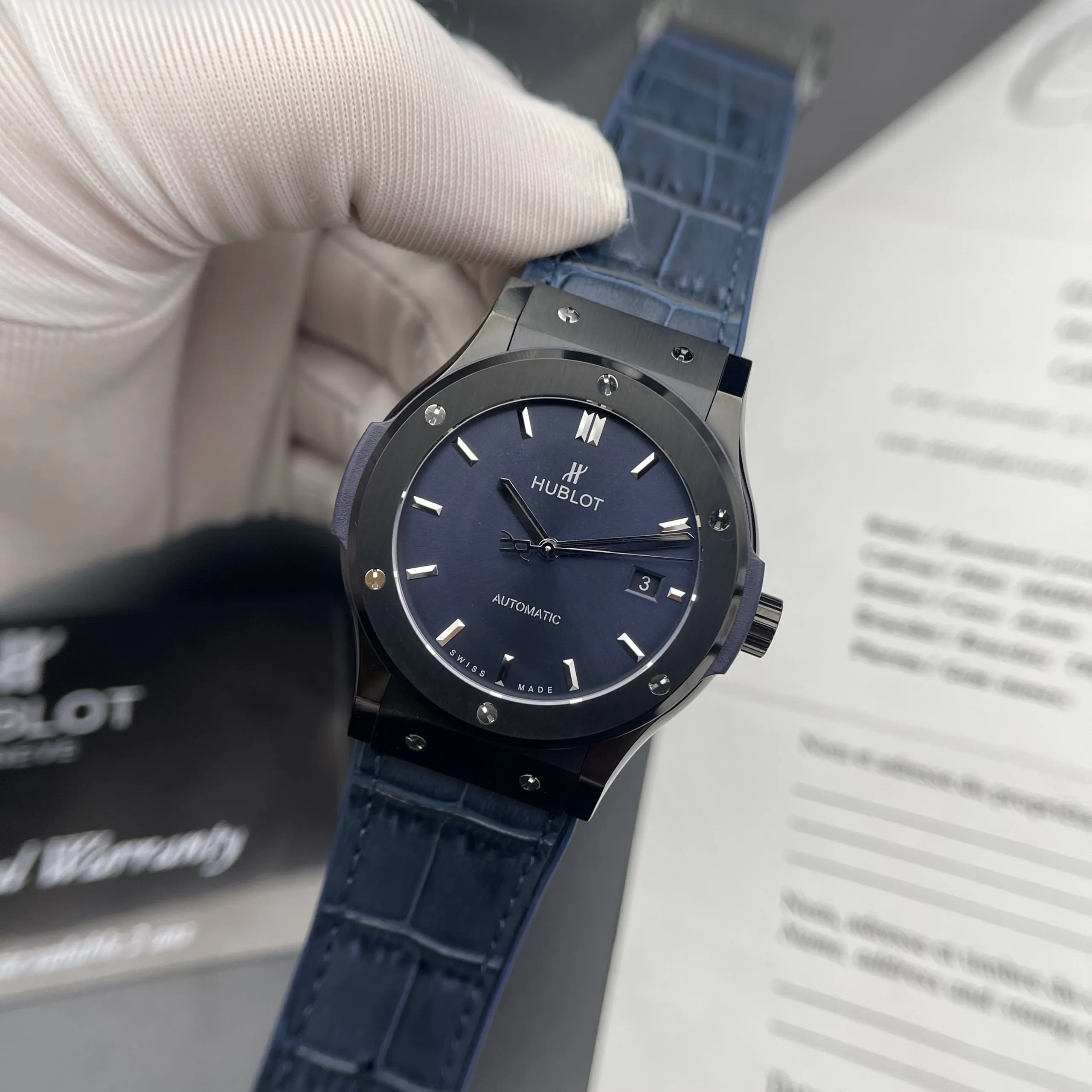
When to Ask for Video Proof
Video proof helps when the concern involves motion. A still photo can show the position of a hand, but it cannot show whether the hand advances, resets or changes cleanly. Therefore, video should be requested when movement behavior affects approval.
For a chronograph-style watch, reset is the clearest example. A short clip can show the central chronograph hand starting, stopping and returning to zero. It can also show whether the pusher action looks normal during that recorded moment.
For a GMT-style or multi-display watch, video may help when the extra hand, date change or sub-dial behavior creates doubt. A 10 to 15 second clip can show function more clearly than several still photos. However, the request should name the exact detail.
For bracelet and clasp concerns, a short open-close video can also help. The clip does not need special lighting. A simple table video with the clasp opened and closed once is often enough to answer the question.
Still, not every watch needs video proof. A clean three-hand watch with no date may be clear from photos alone. In that case, more video may only slow the process without adding useful detail.
Again, video proof does not promise future performance. It only shows the watch during that clip. Therefore, final questions about function, payment instruction, availability or shipping expectations should still go through the official channel.
How to Approve or Ask Questions
Approval should be specific, not emotional. A good message names the model, the factory version if known, the photo number and the detail being checked. That structure saves time and keeps the review calm.
For example, “Please confirm the 12 o’clock marker in photo 2” is useful. “The watch looks strange” is not. The first message points to one action. The second message creates a guessing game.
However, some details are worth a pause. A visibly tilted marker, a badly centered date, a bezel pip that does not line up, a loose-looking crown or a rough bracelet gap should be questioned before approval. One extra message at this stage is better than regret after dispatch.
Meanwhile, tiny reflections need restraint. A polished link may show the camera as a dark patch. A crystal may show a ceiling light as a white line. Therefore, a second image is better than assuming a physical flaw from one reflective angle.
That is where superclonewrist qc photos help most. They create a visible record that can be discussed clearly. A photo number, a short question and one requested follow-up image usually solve the problem faster than long explanations.
The final approval should not include assumptions about shipping route, tax outcome, water exposure, long-term performance or payment details. Those points are not solved by photos. They should be confirmed through Official Contact.
A Practical 10-Minute QC Photo Routine
A rushed review often misses the obvious. Instead, open the photos on a larger screen when possible and spend about 10 minutes in a steady order. That small pause is enough for most visible checks.
- Minute 1: check the straight front photo without zooming.
- Minutes 2–3: check 12 o’clock marker, logo area, dial text and minute track.
- Minutes 4–5: check date window, hands, sub-dials or GMT hand if present.
- Minutes 6–7: check bezel alignment, crown side and case profile.
- Minutes 8–9: check bracelet, clasp, end links and finishing transitions.
- Minute 10: write one short question if a detail still looks wrong.
This routine keeps the review grounded. It also prevents the common mistake of zooming into a reflection before checking the full watch. The full front image should always come first.
Final Purchasing Advice Before Shipping Approval
The final step should feel calm, almost boring. The model is selected, the factory version is clear, the photo set has been checked, and only a few final details remain. Therefore, approval should not happen from one quick glance on a phone screen.
Also, the best review is not the strictest review. It is the clearest review. A real issue should be named clearly. A reflection should not become a long argument. That difference saves time and makes the final decision easier.
Before shipping, superclonewrist qc photos should answer the visible questions: does the dial look centered, does the date sit well, does the bezel line up, does the case profile look right, and does the bracelet close neatly. If those points look ready, the next step is official confirmation.
- Therefore, save the model link and factory version before sending the final message.
- Also, ask for one clear follow-up photo or video when a specific detail still looks wrong.
- Finally, confirm payment instruction, shipping expectation and final approval through the official contact page only.
FAQ
What should be checked first in QC photos?
Start with the straight front photo. Then check dial balance, date position, bezel alignment, case side, bracelet fit and clasp finishing.
Are QC photos enough before shipping?
Usually, photos are enough for visible details. However, a short video can help when hand movement, date change, clasp action or chronograph reset needs confirmation.
What details are worth asking about?
A tilted marker, badly centered date, visibly misaligned bezel, odd crown gap, rough bracelet fit or unclear clasp action should be questioned before approval.
Should every small reflection be treated as a flaw?
No. Reflections from crystal, polished links or strong lighting can look like marks. A second clear image is better than judging from one reflective angle.
Can QC photos prove waterproofing or long-term performance?
No. QC photos show visible pre-shipping details only. Water exposure, long-term performance, shipping outcome and payment details must not be assumed from photos.
Where should final questions be sent?
Final questions should go through the official contact page. Include the model link, photo number, exact concern and any requested video proof.
Confirm the QC Details Before Shipping
The cleanest next step is simple: prepare the model link, factory version question, photo concern and any video proof request. Then confirm all final details through the official channel before shipping approval.