A practical superclonewrist factory version guide should not begin with a loud factory ranking. It should begin with the watch itself: case profile, dial print, bracelet feel, movement option, QC photos, and the current version that can be confirmed before payment.
When a watch is compared late at night under a desk lamp, the factory name alone does not answer enough. A photo may show a nice dial, yet the bracelet end link may still sit a little high. Another version may have a stronger movement note, but the case side may look thicker than expected.
So the smarter path is simple. The model comes first, then the visible details, then the factory version, and then the QC evidence. That order feels less dramatic than a ranking list, but it works better when the final decision needs to be made.
In this guide, SuperCloneWrist is treated as the service route, not as a word to repeat every few lines. The goal is to explain how factory version comparison fits into product choice, QC review, and official confirmation before payment.
Fast Position Before Reading
This article is not a full factory ranking. The broader Factory Version Guide can support general version reading, while this page focuses on how a specific watch should be compared before payment.
Also, factory names should not create false comfort. Case shape, dial execution, bracelet finish, movement notes, and the QC Process still decide whether a version makes sense for the selected model.
What Factory Version Means
Factory version usually means the production version used for a specific replica watch style. However, the phrase also carries other details: case finishing, dial layout, bracelet construction, movement option, crystal shape, bezel print, and small batch differences. In daily comparison, all of those details matter more than the name alone.
For example, a 40mm chronograph asks for clean sub-dial spacing, straight pusher alignment, balanced bezel text, and a movement layout that matches the selected version. Meanwhile, a simple three-hand watch puts more pressure on dial color, hour marker alignment, case curve, and bracelet feel. The work changes with the model.
Therefore, a factory label should be treated as a starting note, not a final answer. It helps frame the conversation. It does not prove that the dial is clean, the clasp is crisp, or the prepared watch matches the expected details.
The factory name is useful, but it is not enough
A factory name can save time because it gives the support team a known reference. Still, the same factory can perform differently across different watches. A version that looks strong on a Submariner-style watch may not be the same answer for a Daytona-style chronograph or a Datejust-style dress watch.
Also, version language changes over time. A batch discussed in March may not be the same as a version available in July. Because of that, old screenshots and old comments should be treated as background reading, not current confirmation.
A better habit is to ask a precise question. Model name, case size, dial color, bracelet or strap type, preferred version if known, and the needed QC angles should all be included. That takes less than one minute and usually produces a cleaner answer.
Factory version also includes batch reality
In real product selection, availability matters. A version may be popular, but the current batch may be limited, delayed, or replaced by a later run. That is why a superclonewrist factory version guide should always return to current confirmation before payment.
For instance, a green dial may look slightly different across batches because lighting, finishing, and printing can shift. A bracelet may also receive small updates. These changes do not always appear in short product descriptions, so support confirmation and QC photos carry real value.
In other words, the factory name points in the right direction. The current version, actual photos, and clear communication decide whether that direction still fits.
Why the Best Factory Can Change by Model
There is no single best factory for every watch. That may sound less exciting than a clean ranking, but it is the more honest view. A dive watch, a chronograph, a GMT-style watch, and a slim dress watch all place pressure on different details.
For a Submariner-style model, the bezel insert, pearl position, crown guards, bracelet brushing, clasp engraving, and case side are important. For a Daytona-style model, the sub-dials, pushers, bezel scale, dial text, and movement layout become more visible. For a Datejust-style model, the fluted bezel, cyclops, date window, and bracelet polish can decide the whole look.
So the best version can change because the job changes. A factory that handles one detail well may not lead every category. This is why model-level comparison is stronger than factory-name loyalty.
Chronographs need stricter comparison
Chronographs reveal small mistakes quickly. The sub-dials sit in the center of attention, the pushers frame the case, and the bezel scale creates a circle of numbers that is easy to notice. Even a small spacing issue can look obvious in a normal wrist photo.
Meanwhile, movement notes become more important on chronograph models. They may explain layout, function, or appearance, but they should not be treated as a promise about long-term performance. The safer path is to confirm the current movement option and then review QC evidence.
For a chronograph shortlist, the review should include dial symmetry, bezel print, pusher position, side case thickness, strap or bracelet fit, clasp detail, and movement view when available. Clear photos make the process simple.
Simple dials are not always easier
A simple dial has less visual noise, so every detail becomes more exposed. If the hour markers lean, the printed logo feels too heavy, or the hands look slightly wide, the watch can feel off even at a normal viewing distance. A clean dial does not forgive lazy finishing.
Also, smooth bezels and plain cases place more attention on case shape. A polished edge that looks too flat can change the personality of the watch. A bracelet that sits too loose at the lugs can make the whole piece feel less refined.
Therefore, a plain Oyster Perpetual-style or Datejust-style model still deserves careful version comparison. The watch may look simple, but the comparison is not simple.
Clean Factory and VSF need context
Clean Factory and VSF often appear in the same discussion. However, asking “Clean or VSF?” without naming the model is too broad. The better question is this: which current version fits this exact model, dial, bracelet, case size, and QC expectation?
For broader context, the Clean Factory vs VSF comparison route can help. Still, that page should not replace model-level checking. A 36mm daily watch and a 40mm chronograph do not create the same decision.
In a careful superclonewrist factory version guide, factory comparison is never separated from the watch. The version only matters because it affects a real case, dial, bracelet, movement note, and QC review.
Model Route: Start with Rolex Version Comparison
Rolex-style models work well for version comparison because the details are easy to inspect. Bezel print, dial markers, bracelet brushing, date window, clasp shape, and case profile all show up clearly in photos. For that reason, the Rolex Collection is a natural place to build a small shortlist before contacting support.
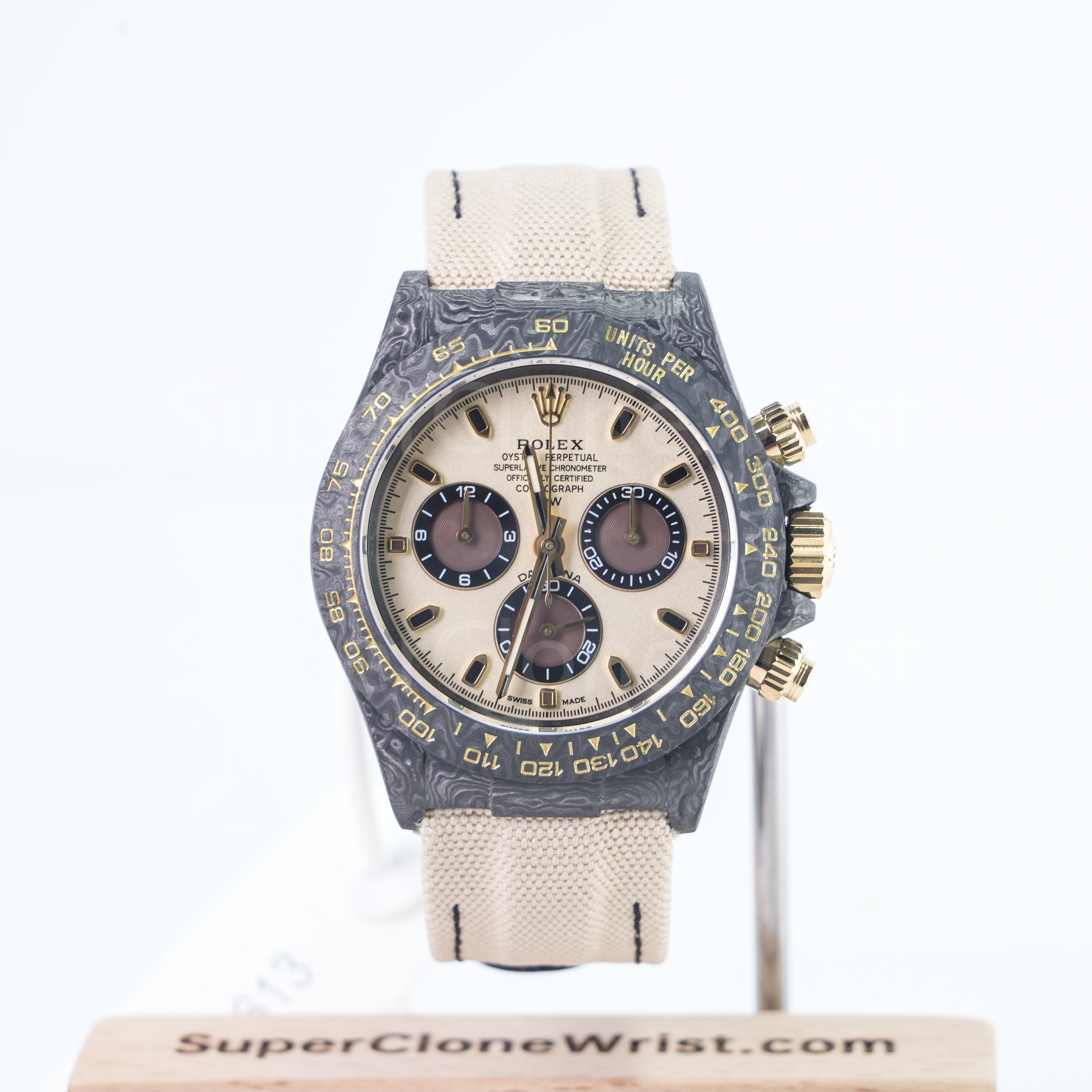
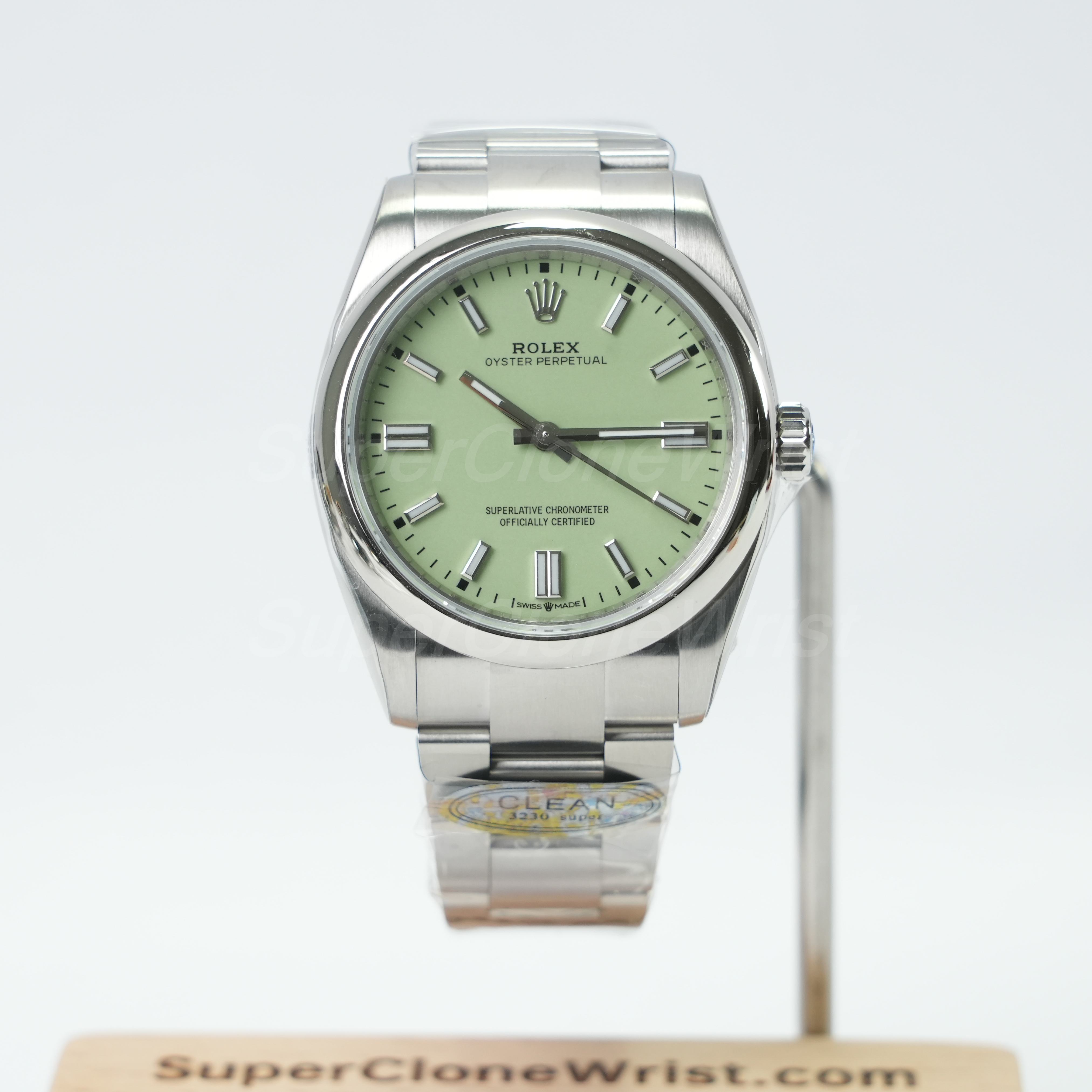
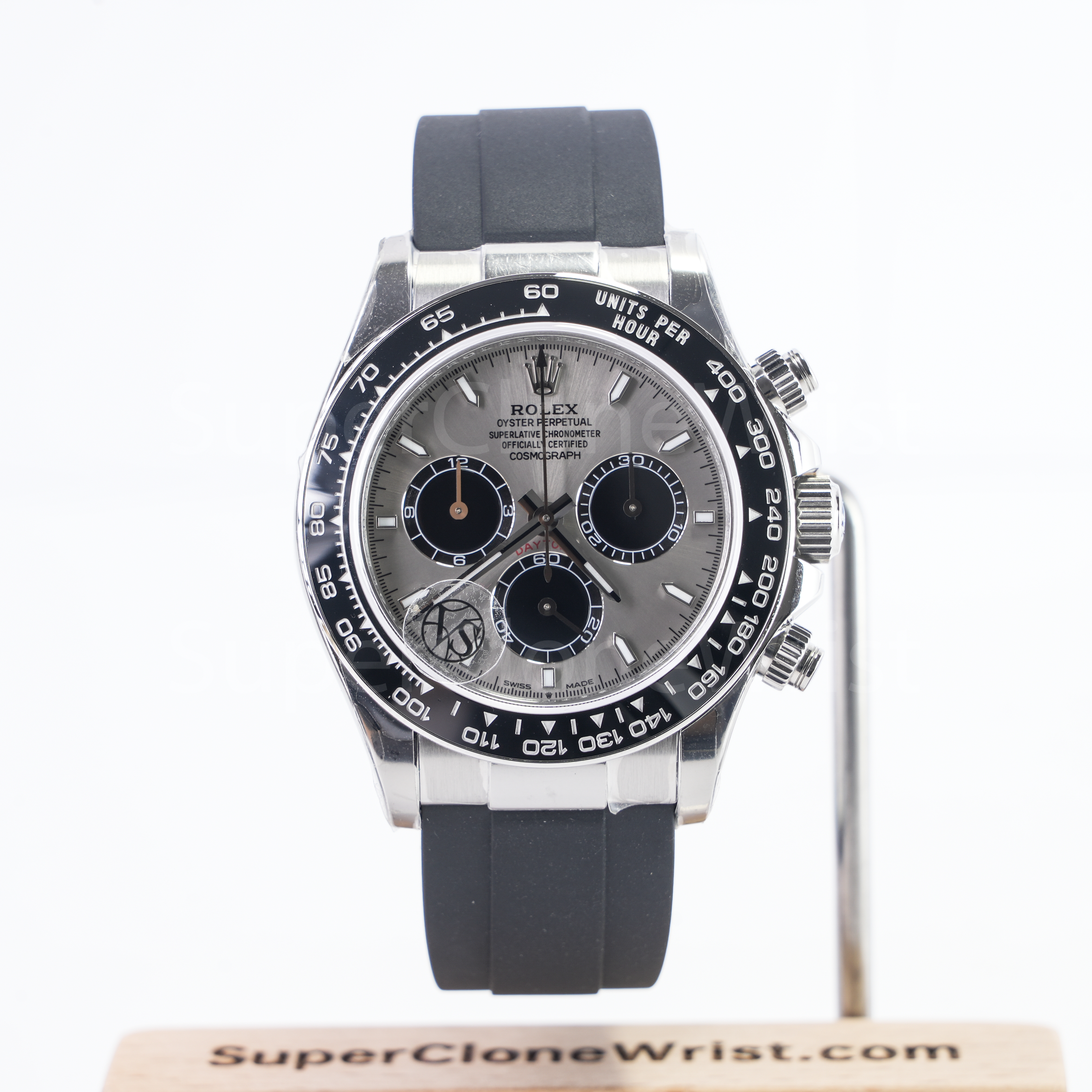
After a shortlist is clear, the next step is not guessing from old comments. The next step is to confirm current factory version, movement option, QC photo availability, price, payment details, and delivery support through Official Contact.
How to Compare Case, Dial, Bracelet and Movement
A useful comparison follows how a watch is actually seen. On the wrist, the case and bracelet speak first. On a table, the dial and bezel become more obvious. In a close photo, the movement note may become part of the decision.
Therefore, case, dial, bracelet, and movement should be compared together. Separating them too much creates a strange result. A watch with a strong movement note can still feel wrong if the dial print or bracelet fit looks weak.
Case profile: the first three seconds
The case creates the first impression in about three seconds. A thick side wall can make a refined watch feel heavy, while a flat case edge can make a sports model look less sharp. This is why side-angle photos are not optional.
For example, crown guards should look even, the lugs should not appear swollen, and the crystal should sit naturally above the bezel. A close phone photo can distort thickness, so the whole case shape should be judged from more than one angle.
Dial details: small print, big impact
The dial carries the personality of the watch. A marker that leans at 6 o’clock, a date that sits too high, or a logo that looks too heavy can change the whole feeling. These details are small, but they live in the center of every glance.
Meanwhile, dial color needs patience. A grey dial can look warm in one photo and cold in another. A green dial can look soft near a window and almost black under indoor light. So one hero image should not decide the whole choice.
Bracelet and clasp: the part felt all day
The bracelet is easy to underrate until the watch is worn for eight hours. End-link fit, brushing direction, polished side edges, clasp shape, and micro-adjustment design all affect daily use. A good dial can be let down by a bracelet that looks loose or feels unfinished.
For example, an Oyster-style bracelet should look steady at the lugs. A Jubilee-style bracelet should not look visually messy in close photos. A rubber strap should meet the case cleanly without a strange gap near the end link area.
Movement notes: useful, but not a guarantee
Movement notes are useful when they explain layout, date position, winding feel, chronograph function, or display-back appearance. However, they should not become a promise about long-term accuracy or performance. A careful guide keeps that line clear.
So the movement question should be specific. Ask which current movement option applies to the selected model, whether the visible layout matches the chosen version, and whether QC photos can show the relevant angle when available.
A practical seven-point version check
- Case size and side profile: check the stated diameter and side thickness.
- Bezel alignment: review the 12 o’clock point, insert fit, and printed scale.
- Dial printing: check logo weight, minute track, marker spacing, and date window.
- Hands and markers: compare hand length, marker shape, lume fill, and center alignment.
- Bracelet or strap: review end-link fit, brushing, clasp, buckle, and strap curve.
- Movement option: confirm the current option without treating it as a lifetime promise.
- QC evidence: request clear photos or video proof when available before payment.
At this point, the superclonewrist factory version guide becomes a filter. It removes vague questions and keeps only the details that can be compared. That makes the final support message shorter, cleaner, and easier to answer.
How QC Photos Support Factory Choice
QC photos create a useful pause between interest and payment. A product image can show the intended style, while QC photos help review the visible details of the prepared watch or the available evidence before dispatch. That pause can prevent a rushed decision.
However, QC photos are not magic. They can show alignment, case shape, bracelet fit, dial tone, bezel position, clasp finish, and movement view when available. They cannot guarantee waterproof use, customs outcomes, long-term accuracy, or years of performance.
For general import awareness, official resources such as the U.S. Customs and Border Protection Internet Purchases page are useful reminders that cross-border purchases can involve duties, fees, inspections, or delays. Because of that, delivery and customs results should not be treated as guaranteed.
What QC photos can show well
A front photo helps with dial balance, marker placement, hand length, bezel alignment, and date position. Meanwhile, a side photo helps with case thickness, crystal height, crown guard shape, and the way the bracelet leaves the case. Both angles matter.
A clasp photo helps with engraving, closing shape, and bracelet finish. An end-link photo helps show whether the bracelet fits the case cleanly. In many comparisons, these two photos are more useful than another polished hero shot.
What QC photos cannot prove
QC photos cannot prove future water resistance, long-term movement stability, customs results, or how a bracelet will age after six months. That limitation is normal. A photo review supports visible inspection; it does not turn uncertainty into a guarantee.
That is why the QC Process matters so much. It turns factory version talk into visible review instead of pure opinion.
When to Ask Support for Current Version
Factory version information can change by model, batch, and availability. Therefore, current confirmation should happen before payment whenever version choice matters. This is especially important for popular Rolex-style watches, chronographs, new releases, and models with more than one movement option.
In practice, the best time to ask is after a small shortlist is ready. Sending twelve screenshots creates confusion. Sending two or three product links with clear questions creates a better conversation.
A useful support message format
A useful message can be written in four lines. First, paste the product link. Then name the model, dial color, case size, and bracelet or strap. After that, ask for current factory version, movement option, QC photo availability, price, payment details, and delivery support.
For example: “Rolex Daytona grey dial, rubber strap, 40mm. Please confirm current factory version, movement option, QC photos or video proof, price, payment details, and delivery support.” It is direct, but it does not sound pushy.
When the preferred version is not available
Sometimes a preferred factory version is not available. That can be frustrating, but it is not automatically a bad sign. The better response is to ask which alternative version is available and what visible differences should be expected.
Meanwhile, forcing a factory name can create a weaker result if the model does not suit that version. Current availability and visible QC details matter more than a saved opinion from an old discussion.
Which Version Fits Which Wearing Scenario
A watch does not live inside a product page. It appears at a desk, in a car, under restaurant light, near a shirt cuff, or beside a weekend jacket. Therefore, the best version choice should match real use, not just the most impressive product photo.
Daily office rotation
For daily office wear, a quieter model usually works better. A 36mm or 40mm clean dial, steel bracelet, smooth case profile, and balanced dial color can move from a morning meeting to a late train ride without feeling too loud. In this setting, comfort beats drama.
Weekend sport style
For weekend wear, a sportier model can make more sense. A chronograph, rubber strap, ceramic bezel, or stronger dial contrast can work well with a T-shirt, jacket, or sneakers. In that setting, wrist presence becomes part of the appeal.
Dress and evening use
For dress and evening use, thickness and dial calmness matter. A watch that slides under a cuff at dinner feels very different from one that catches on fabric. Case profile, polished edges, and bracelet finishing become more important than loud specifications.
First order or cautious comparison
For a first order or a cautious comparison, a stable model with clearer QC evidence is usually the safer route. A simple dial, known case size, and common bracelet type make the review easier. The point is not to choose the most boring watch; the point is to choose one that can be checked clearly.
Before Payment: Confirm the Current Version
Factory names, movement notes, product images, and old comments can all help. However, the final step should be current confirmation through the official support route before payment.
Use one complete message with the product link, dial color, bracelet or strap, preferred version if known, QC request, price question, payment question, and delivery support question.
Common Mistakes in Factory Version Comparison
One common mistake is ranking factories before choosing the watch. That usually creates a weak decision. A factory name has meaning only after the model, dial, bracelet, and current availability are clear.
Another mistake is treating QC as decoration. QC is the practical step that connects the factory version to visible evidence. Without it, the decision depends too much on listing photos and old comments.
Also, movement talk can become too loud. Movement notes sound serious, but the dial, case, bracelet, and clasp are what appear in every normal glance.
Mistake 1: asking “best version” with no model
A vague question usually creates a vague answer. “Best version?” leaves too many things open. Best for dial accuracy, bracelet feel, movement layout, price, availability, or QC clarity?
Mistake 2: using one photo as proof
One photo can look convincing and still hide important details. A straight front photo may hide case thickness. A bright studio image may hide dial color shift. A wrist photo may hide clasp finish.
Mistake 3: expecting guarantees from version language
Factory version language can explain an option, but it should not be stretched into guarantees. It cannot promise water use, customs outcomes, or long-term performance. Those claims would be too broad.
Final Purchase Notes and CTA
The strongest version comparison is not the loudest one. It is the one that stays close to the actual watch. Model first, visible details second, current factory version third, QC evidence fourth, and official confirmation before payment.
Also, no factory name should carry the whole decision. A strong version still needs the right dial, bracelet, case profile, movement note, and QC route. If one piece feels unclear, support should confirm it before the order moves forward.
For a clean next step, use this superclonewrist factory version guide as a short checklist. Pick a small shortlist, save the product links, and send one complete confirmation message through the official support page.
- Choose two or three models only, then compare case size, dial color, bracelet or strap, and function layout.
- Ask for current factory version, movement option, and QC photo or video proof availability before payment.
- Use Official Contact for final confirmation instead of relying on old screenshots or loose comments.
Related Reading
Factory Version Guide
Compare factory version language, current version notes, movement options, and model-level checks before choosing a watch.
QC Process
Review how QC photos and video proof can support visible checks before dispatch when available.
Rolex Collection
Browse Rolex-style models by collection, case size, dial color, bracelet type, and version comparison needs.
FAQ
What does factory version mean in a watch comparison?
Factory version usually refers to the production version used for a specific model. However, useful comparison also includes case shape, dial print, bracelet finish, movement option, current availability, and QC evidence.
Is one factory always better than another?
No. One factory can be stronger on one model and less convincing on another. The exact model, case size, dial, bracelet, movement option, and current batch should guide the choice.
How do QC photos support factory version choice?
QC photos can show visible details such as dial alignment, bezel position, case shape, bracelet fit, clasp finish, and movement view when available. They do not guarantee waterproof use, customs outcomes, or long-term performance.
When should current version be confirmed?
Current version should be confirmed after a small shortlist is ready and before payment. A complete message should include product link, model name, dial color, bracelet or strap type, QC request, price question, and delivery support question.
Should Clean Factory vs VSF be compared without naming the model?
That approach is too broad. Clean Factory vs VSF comparison becomes useful only after the exact model, case size, dial, bracelet, and current version availability are clear.
Confirm Before Payment
For the final step, use this superclonewrist factory version guide to compare the model, current version, visible QC details, payment information, and delivery support before the order moves forward.